Winlog Evo 4.0 now supports the SVG vector
graphics standard (Scalable Vector Graphics) and integrates the new
Symbol Factory 3.0 graphics library. More info

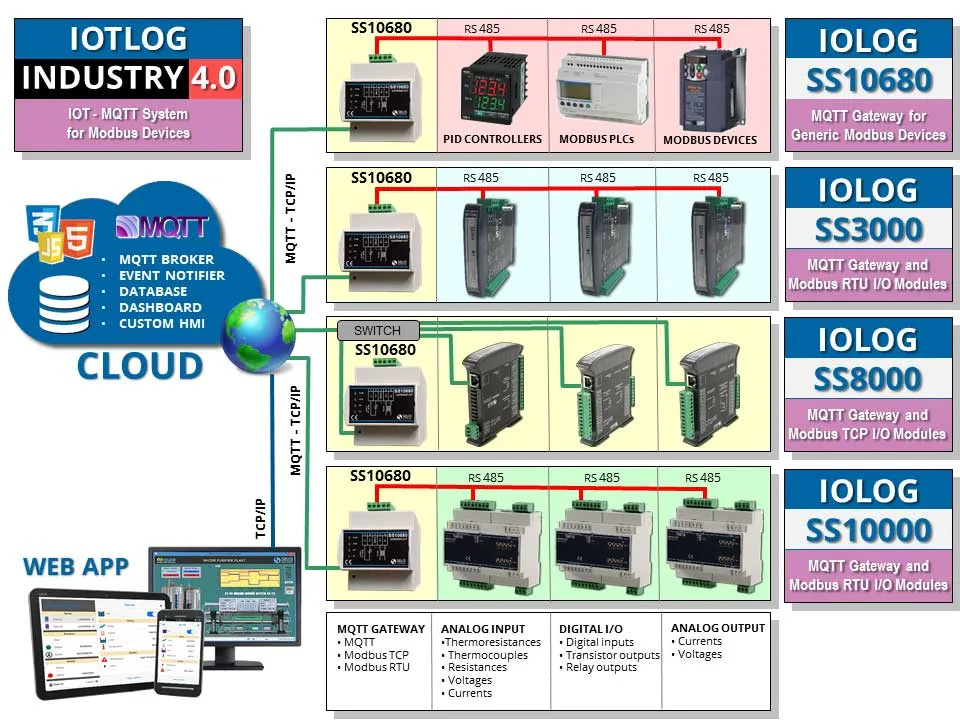
The IoT and IIoT (Internet of Things and Industrial Internet of Things) acronyms indicate all those technologies that make it possible to transform any object, be it a sensor, an actuator, a vehicle or an appliance, into a device connected to the Internet, which is in able to send data to the cloud using light and fast protocols such as MQTT (Message Queue Telemetry Transport). |
The increasing trend to use cloud applications has pushed SCADA technologies to evolve towards integration with the Internet of Things. In fact, SCADA systems can increase the potential of the Industrial Internet of Things. By integrating the two technologies, you can get a much faster, more detailed and even more safe collection and verification of company data. |
These systems, due to their architecture, are especially suited to manage:
|
These systems include the key enabling technologies (Key Enabling Technologies - KET's) of Industry 4.0 (SCADA, IoT, cloud, big data, cybersecurity). |
SCADA applications are used today in most industrial fields and are an indispensable aid for all companies, regardless of size and sector of activity. SCADA software is the most suitable development environment for the easy and intuitive creation of complex SCADA applications. |
SCADA applications provide several benefits, but having to highlight one in particular, we can say that they replace the man in carrying out many routine and tedious tasks, which increases productivity, provides a faster management of alarms and reduces the risk of potentially dangerous situations for the environment. More generally, we can say that SCADA applications:
|
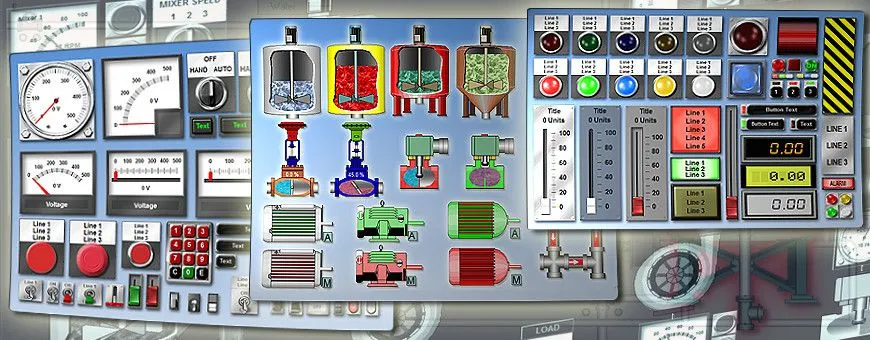
SCADA software is an integrated development environement which allows creation of SCADA HMI applications. Several SCADA software from various manufacturers are available, with significant differences in price and performance. The choice of the SCADA software most suitable for the application to be developed depends on several factors, as well as personal preferences, but is generally based on the complexity of the project, the required performances, any constraints imposed by the client and the available budget. |
You should also consider the learning time, which is usually higher in case of a more complex SCADA software. As a general rule, the choice of a complex SCADA software is justified when the project involves a large and high-cost plant, for which software cost and learning time are no longer relevant. in the case of small-to-medium projects with a limited budget, it is advisable to move towards SCADA software that have a lower cost and require a shorter learning time. |
All SCADA software, regardless of complexity, must however have common features regarding the following topics:
|
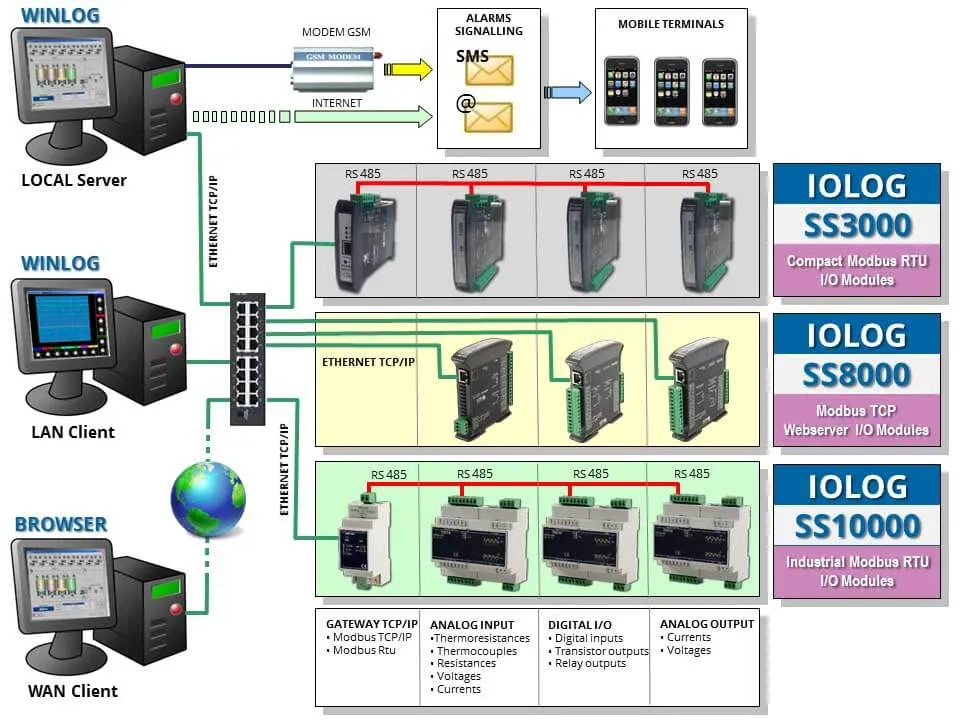
Data acquisition not only means transfer of information from peripheral devices to supervisory computers, but also transfer of information in the opposite direction, in order to allow the supervisory system to control the process, that is to direct its evolution by modifying the values of the variables that condition its operation. |
We can say that data acquisition is the main function among those performed by SCADA systems. In fact, by putting the process in communication with the supervision, data acquisition makes it possible for the supervisory system to get all the information on the process status that are necessary to allow the observation of the process itself. |
The task of data acquisition is to ensure the error-free transfer of information between process and supervision, in a context characterized by a variety of transmission media and different communication protocols. |
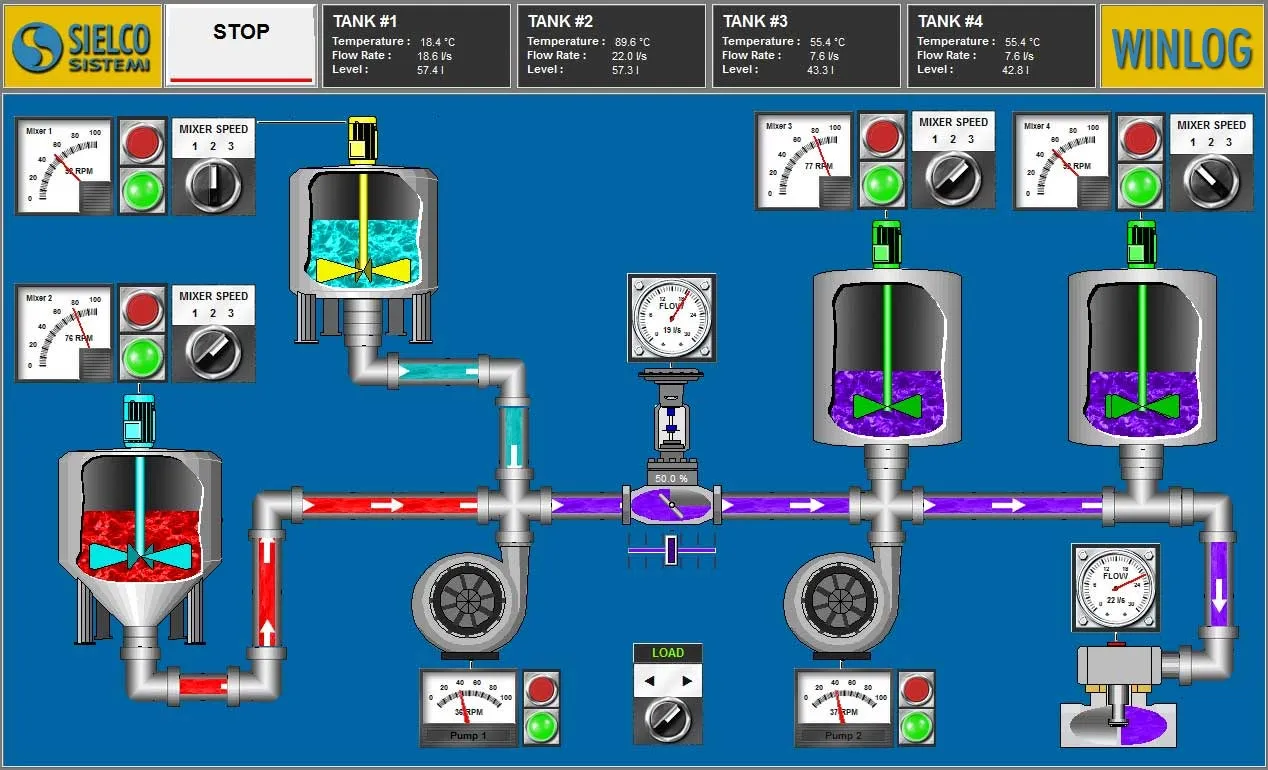
The control function of a SCADA system consists in the ability of the control system to interact with the controlled process, in order to modify its evolution according to pre-established rules or decisions taken by the operator. |
It is important to underline that, with “control of a SCADA system, we do not mean “real time process control”, usually the prerogative of the PLC, but rather the ability to modify the evolution of the process, for example by sending a different work recipe. |
To better clarify the concept, we can say that, with reference to a particular process temperature, the task of a real time control is to keep this temperature unchanged (by acting on the appropriate actuators), while the task of the SCADA control is to fix the temperature at which the process should work (by sending the appropriate set point). |
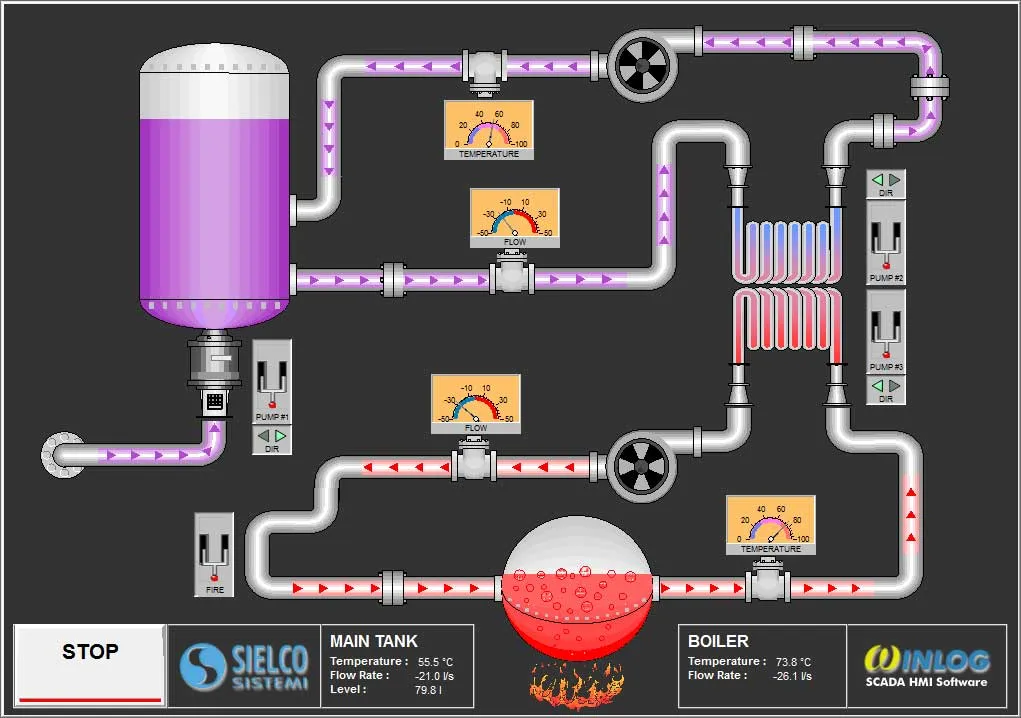
Supervision is the function that allows the operator to have an immediate view of the process status and to control how the process evolves over time by analyzing the sequence of operating states. |
The main task of the supervision is to realize the human-machine interface (HMI). To be effective, the HMI must provide the operator with a prompt and complete image of the whole process, highlighting the status, the evolution and the unexpected deviations (alarms). |
For an effective HMI, the graphic representation is of great importance, since it translates information relevant to the process into a visual language of easy understanding for the operator. |
For example, you can display the status of a pump through a graphic symbol with different colors, the change of the value of a pressure through a graphical trend, the occurrence of an alarm through a pop-up window. |
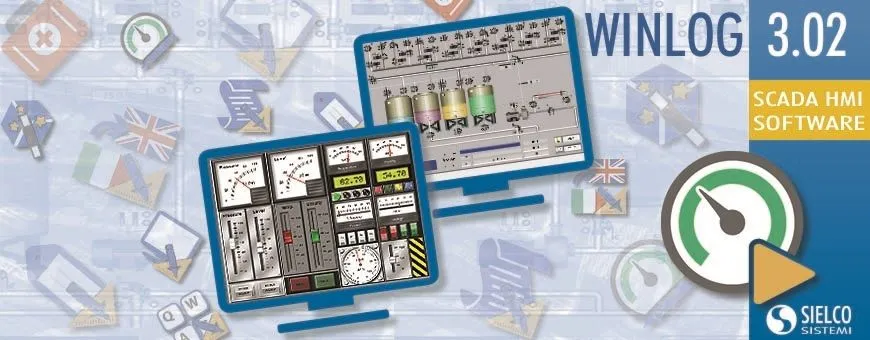
The word SCADA means “Supervisory Control and Data Acquisition”. The definition clearly explains what are the functions and objectives of a SCADA system, namely supervision, control and data acquisition. |
A SCADA system is part of an architecture that includes:
|
A SCADA software is an integrated development environment, which provides all the tools necessary to create SCADA applications, designed to run on supervisory computers and perform the functions that are typical of a SCADA system:
|
Sielco Sistemi si offre come partner nella realizzazione di soluzioni integrate hardware/software per la supervisione di impianti industriali, per la raccolta e l'elaborazione dei dati di produzione, per il controllo di qualità dei processi di produzione e di conservazione o per il telecontrollo di dispositivi periferici o di reti di pubblica utilità.
La specifica esperienza acquisita in diversi settori industriali (dal tessile alla plastica, dal legno all'alimentare, dalla ceramica alle telecomunicazioni) ci permette di collaborare con il cliente nel modo più efficace, trovando un linguaggio comune, capendo i problemi e individuando le soluzioni più appropriate, rispondendo sempre in modo tempestivo a tutte le sollecitazioni. Direttamente o attraverso la nostra rete di Solution Provider (quando considerazioni di carattere logistico lo suggeriscano) siamo in grado di offrire una serie di servizi e di proposte di collaborazione che vanno dalla consulenza in fase di definizione del progetto allo sviluppo congiunto dell'applicazione, dall'assistenza in fase di avviamento a un completo supporto post-vendita (assistenza, corsi, aggiornamenti).
|
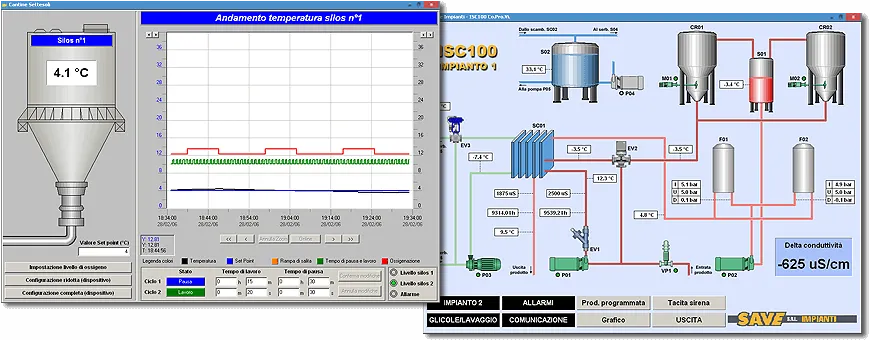
Sielco Sistemi e Save Impianti si offrono come partner nella progettazione e realizzazione di impianti per il settore enologico che utilizzano le più recenti tecnologie al fine di assicurare sia il raggiungimento di elevati standard qualitativi, sia la certificazione dei processi di produzione e conservazione.
|
Le tecnologie proposte si collocano tra la pressatura dell'uva e l'imbottigliamento dei vini, dal controllo delle temperature di fermentazione dei mosti alla concentrazione a multipli effetti sottovuoto, dalla desolforazione alla produzione di MCR, dalla stabilizzazione tartarica all'arricchimento dei mosti mediante osmosi.
|
Tutte le variabili significative del processo produttivi sono costantemente monitorate e rese disponibili all'operatore sotto forma di sinottici e tracciati grafici; qualsiasi anomalia viene immediatamente riconosciuta e può essere segnalata al personale di assistenza tramite invio di SMS; al termine del processo vengono generati dei rapporti di conformità che certificano modalità e qualità della produzione.
|
Vengono inoltre elaborati rapporti sul rendimento degli impianti di produzione e sulle materie prime utilizzate. Informazioni sullo stato di funzionamento dell'impianto e sulla produzione in corso possono essere rese disponibili agli operatori dei vari reparti tramite stazioni Client collegate in rete oppure, grazie all'opzione Web Server, a qualsiasi utente Internet dotato delle opportune password.
|
Sielco Sistemi and Save Impianti offer themselves as a partner in design and development of industrial plants for production of wine according to most up to date technologies, in order to achieve a high and certified quality standard in both production and storage processes. |
The offered technologies apply to the production process from grapes squeezing to wine bottling (control of fermentation temperature, vacuum concentration, desulphurization, MCR production, tartaric stabilization, must enrichment by osmosis, etc.). |
All main variables of production process are continuously monitored and displayed to the operator as templates or graphical trends; any malfunctioning is promptly recognized and can be reported to assistance staff by sending a proper SMS. |
At the end of the process the system generates quality reports that certify compliance with production requirements; the system also generates production reports usable to evaluate performance of production facilities and consumption of raw materials. |
General information on plant operation and production process status can be made available to operators in various departments through Client stations linked to the LAN or, thanks to the Web Server option, to any Internet Client with a standard browser. |
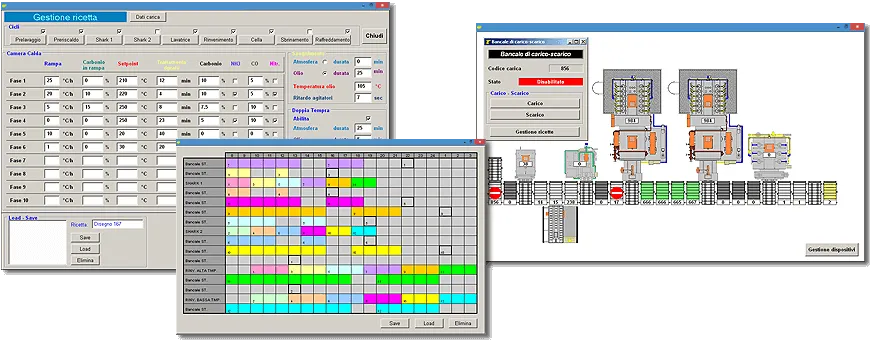
Il sistema gestisce un'isola di trattamento termico automatizzata per bonifica, cementazione e tempra. L'applicazione di supervisione comunica con una rete di PLC Siemens SIMATIC S7 tramite protocollo MPI (server Applicom).
|
Il materiale da trattare viene abbinato alla sua ricetta di lavorazione e posizionato su uno dei bancali di attesa. Una logica di processo asincrona verifica la disponibilità da parte di forni, rinvenimenti e lavatrice a ricevere il materiale. Il sistema consente di accedere a un database di ricette contenenti i dati di processo e i dati anagrafici delle cariche.
|
Il sinottico principale fornisce la posizione, lo stato di avanzamento delle varie lavorazioni e il dettaglio di funzionamento dei moduli che compongono l'isola di trattamento. A fine produzione vengono generati i rapporti di qualità che contengono i dati anagrafici della carica e i grafici delle temperature e delle percentuali di carbonio delle varie fasi della produzione; a completamento del rapporto è prevista una sezione nella quale inserire le misure di durezza dei pezzi prodotti.
|
A completamento del pacchetto di supervisone, Sielco Sistemi offre un sistema di ottimizzazione e di schedulazione delle cariche che permette di inviare più ricette consecutive al sistema e di ottenere la sequenza più idonea ad utilizzare l'impianto in modo razionale ed economico.
|
The system manages a continuous line for carburizing, tempering, hardening heat treatments. The SCADA application communicates with a PLC Siemens SIMATIC S7 network using MPI protocol (server Applicom). |
Batch materials are linked to their treatment recipes and positioned on parking platforms. An asynchronous process logic verifies furnaces and washers availability to receive the materials. The system allows accessing the recipes database that contains batch identification and process data. The main template shows position and progress status of each process and provides a detailed view of each heat treatment element. |
At the end of any batch production, the application generates quality control reports containing batch identification data and temperature and carbon percentage charts for each phase of the treatment; in each report it is available a section in which it is possible to insert the measure of mechanical characteristics of produced material. |
Optionally, Sielco Sistemi offers a scheduling and optimizing batch system that allows sending of many consecutive recipes to the treatment line and obtaining the best sequence to use all the heat treatment elements in a rational and economic way. |
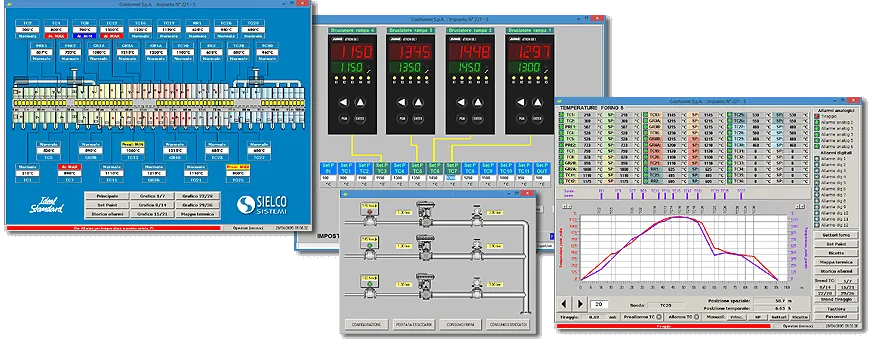
Sielco Sistemi ha realizzato una famiglia di applicazioni per la supervisione e il controllo di impianti cottura ceramiche. I sistemi permettono di controllare le variabili di processo (temperature, depressione, diluizione, ...) e di analizzare il loro andamento nel tempo.
|
La ripetibilità e la qualità delle produzioni sono garantite attraverso la gestione di ricette di produzione e la costruzione di rapporti a fine lotto. Nelle applicazioni per forni continui possibile visualizzare la curva di cottura reale e teorica del prodotto al fine di avere un riscontro immediato sulla qualità del processo in corso.
|
Nelle applicazioni per forni intermittenti è possibile costruire la curva di temperatura e diluizione aria che il forno eseguirà con possibilità di anteprima grafica.
|
I sistemi controllano in opzione i consumi di gas metano ed energia elettrica ripartiti per utenza e produzione.
|
Tutti i sistemi possono essere integrati su rete ethernet con protocollo TCP/IP e struttura client/server.
|
Sielco Sistemi realised a family of applications for supervision and control of brick and ceramics kilns. The systems allow to control process variables (temperature, pressure, dilution, ...) and to analyse them in time related charts. |
Repeatability and production quality are ensured by production recipes management and batch reports. In continuous kilns applications, it is possible to display current and theoretical product temperature curve in order to verify immediately the quality of the running process. |
In intermittent kilns applications, it is possible to build the temperature and air dilution curve that the kiln will execute with screen preview. |
The systems optionally control burners gas and electrical energy consumption, reporting them for each production or part of plant. |
All systems can be integrated in a TCP/IP protocol network with client/server structure. |
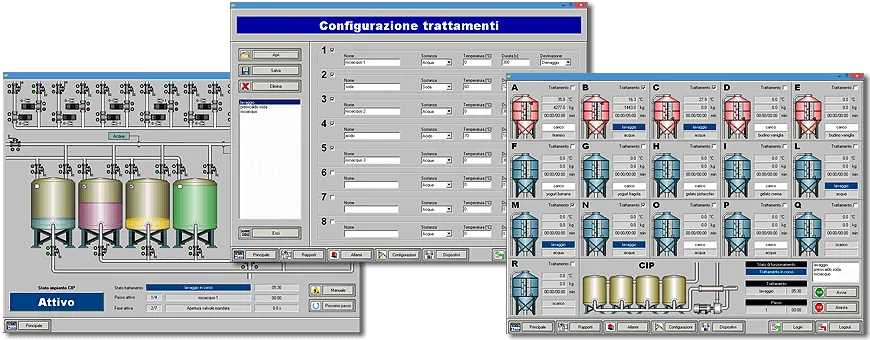
Per garantire l'igiene e la sicurezza dei prodotti alimentari sono state recentemente introdotte, sia dal legislatore che ha recipito anche direttive comunitarie, sia in forma di autocontrollo, normative finalizzate alla tutela del consumatore
|
Il sistema SCADA proposto ad esempio è stato realizzato per un società produttrice di gelati, semifreddi e altri derivati del latte allo scopo di controllare in maniera razionale e documentata la produzione; in particolare esso consente di garantire la qualità del processo di pastorizzazione, di fornire un controllo capillare sullo stato di lavorazione delle miscele nei tini di maturazione, nonché di garantire l'efficacia dei lavaggi e della sterilizzazione degli stessi.
|
Più stazioni di supervisione, collegate fra loro tramite rete TCP/IP, permettono, oltre all'operatività locale, di rendere disponibili a tutti gli altri PC le informazioni necessarie al coordinamento del processo produttivo fra i vari reparti dislocati su una superficie di ragguardevoli dimensioni.
|
Le variabili raccolte dal campo vengono successivamente rielaborate e rese disponibili sotto forma di rapporti, anche grafici, al fine di certificare, la qualità dei prodotti e le modalità di tutti i processi produttivi a cui sono stati sottoposti. Vengono inoltre rese disponibili informazioni sul rendimento e sull' efficienza degli impianti di produzione e sulle materie prime utilizzate.
|
In order to guarantee the hygiene and the safety of food products, new rules for the consumer safeguard have been introduced in the food industry, both established by international control organizations and autonomously decided by the manufacturers. |
The SCADA system presented has been realized for a company that produces ice-creams and other by-products of milk in order to control and certify the production process and to reduce the possibility of human errors; the SCADA system guarantees the quality of the pasteurization process, provides a systematic control on the working status of the mixtures contained in the repining tanks, ensures the effectiveness of tanks cleaning and sterilization. |
One or more Client stations, linked together via a TCP/IP network, make available to every department all the information necessary for the coordination of a manufacturing process distributed in a wide area. |
All variables that have been acquired from the field are processed to generate a series of reports with graphical trends that certificate both the quality of the final product and the whole manufacturing process. The system also provides reports that give information about general plant productivity and raw materials consumption. |
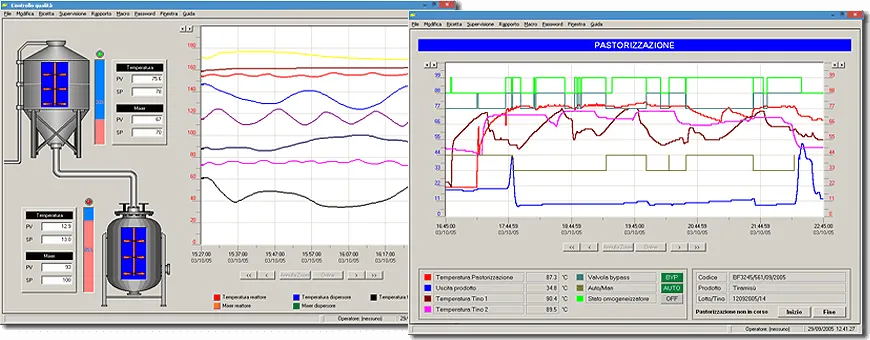
Le recenti normative in fatto di qualità richiedono che i processi di produzione e di conservazione siano certificati e rispondenti a criteri precisi; il sistema di controllo qualità basato sulla piattaforma software Winlog Pro è stato applicato con successo in diverse industrie del settore alimentare; permette infatti di adeguarsi alla normativa limitando al minimo i costi di intervento e le conseguenze sulla produzione.
|
Il sistema raccoglie le variabili significative del processo e le rielabora in rapporti e grafici che certificano la conformità del lotto prodotto; successivamente il sistema certifica che i lotti prodotti siano conservati in condizioni tali da garantire che le caratteristiche originarie non vengano alterate; qualsiasi anomalia nel processo di produzione o di conservazione viene immediatamente segnalata e, in caso di ambienti non presidiati, provoca l'invio di SMS verso i cellulari in dotazione al personale di assistenza; tramite rete TCP/IP tutte le informazioni prodotte possono essere rese disponibili presso una o più stazioni Client.
|

